Tuning & Voicing · Repair · Full Service Provider
Serving the Kansas City Metropolitan Area
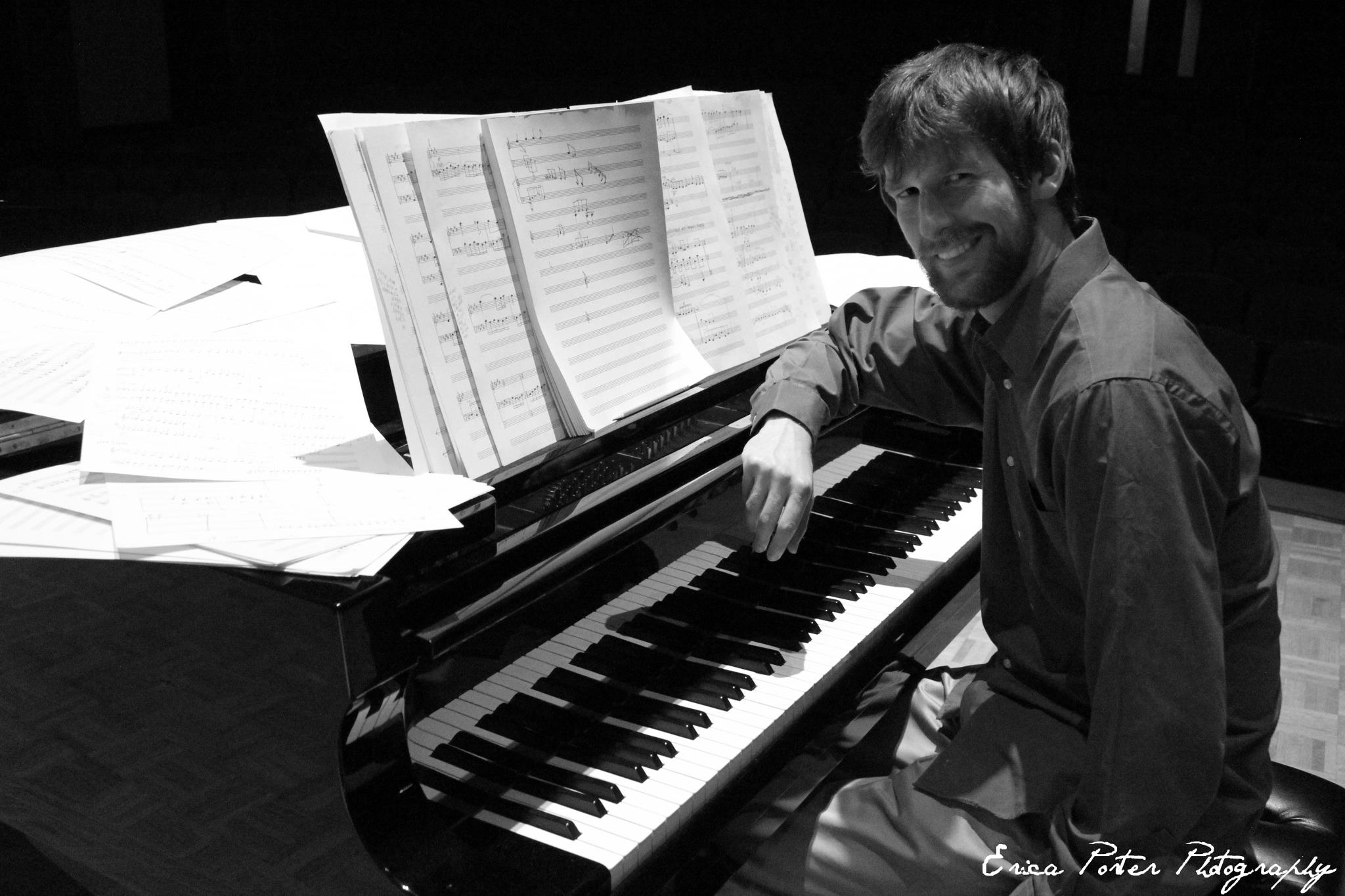
Dr. Tyler Kemp
Doctor of Musical Arts
Piano Technician & Owner
Tuning & Voicing · Repair · Full Service Provider
Serving the Kansas City Metropolitan Area
Piano Technician & Owner
Tuning is the most frequent and essential maintenance your piano will need...
Due to seasonal temperature and humidity changes, I recommend having your piano tuned twice a year to maintain its sound quality. Tuning involves adjusting the tension of each string—nearly 250 tuning pins—so they vibrate at the correct pitch.
A variety of factors can affect a piano’s pitch, including fluctuations in humidity and temperature, how often and forcefully it's played, and the age and overall condition of the instrument. Having a climate-controlled space for your piano can help slow pitch drift and reduce wear.
If your piano is out of tune, you may notice discomfort while playing or practicing—especially as you prepare for a recital or performance. Young learners or students also benefit from hearing a well-tuned piano, as it supports proper ear training. If you're in Parkville, MO, reach out to a professional piano tuner to service your Yamaha, Steinway, or any other piano. Regular tuning is one of the best investments you can make in your music.
New pianos require more frequent tuning during the first year, as the strings are still stretching and settling into tension. Maintaining the correct string tension early on helps prevent pitch instability and contributes to long-term tuning consistency.
Unfortunately, I often encounter pianos that haven’t been tuned in years. Bringing them back to proper pitch can put significant stress on the instrument and increase the risk of string breakage—resulting in costly repairs.
To keep your piano in optimal condition and avoid unnecessary expenses, schedule regular service with a qualified piano tuner today.
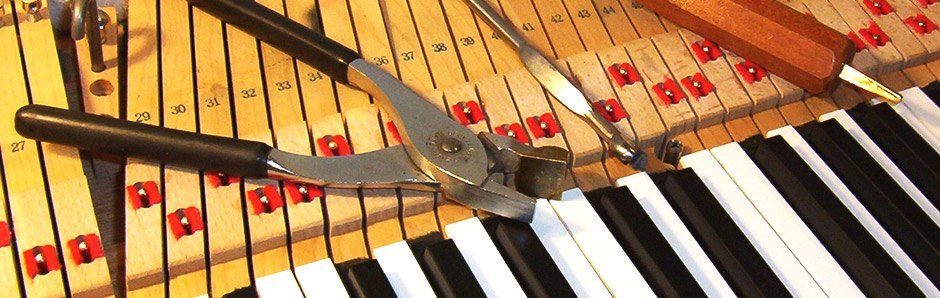
As a general rule, your piano should be professionally tuned every six months to a year...
Consistent tuning helps preserve pitch accuracy and overall instrument health. If you're a piano teacher, more frequent tunings are highly recommended. Students benefit greatly from hearing a piano that’s consistently in tune, as it helps develop accurate pitch recognition and musical ear training.
Over time, your piano may also require additional maintenance or repair to restore tonal quality and structural stability—especially if tuning has been neglected. This might include voicing, regulation, or addressing minor mechanical issues that naturally occur with age and use.
Most importantly, a well-maintained piano sounds better, plays better, and provides a lasting source of joy and musical enrichment for you and your family.
Brand-new or recently re-strung pianos require more frequent service in the first few years as strings are still stretching and settling. If a piano isn’t tuned regularly—especially in its early life—it may never reach its full tonal potential.
Neglecting tuning for more than a year or two can lead to pitch drift caused by gradual soundboard movement and string stretch. This creates a tension imbalance that affects sound quality and can make future tunings more difficult and costly.
To ensure your piano continues to perform at its best, schedule regular tuning and maintenance with a qualified, registered piano technician.
A native of Missouri, Tyler received his undergraduate degree in music composition and music theory from Ouachita Baptist University and his Master of Musical Arts in Composition and his Doctor of Musical Arts in Composition degrees from Arizona State University.
 Follow us on Facebook